When approaching the VAT registration threshold there are important matters to consider. The VAT registration threshold is the point at which businesses must register for VAT with HMRC.

Approaching the VAT registration threshold
read more

When approaching the VAT registration threshold there are important matters to consider. The VAT registration threshold is the point at which businesses must register for VAT with HMRC.

The taxable turnover threshold that determines whether businesses should be registered for VAT will increase from £85,000 to £90,000 from 1 April 2024.

The current taxable turnover threshold determining whether businesses should register for VAT is set at £85,000. Additionally, the threshold for businesses seeking deregistration stands at £83,000. These thresholds remain frozen until 31 March 2026.

The taxable turnover threshold that determines whether businesses should be registered for VAT is currently £85,000. Businesses with turnover below this level can also apply for a voluntary VAT registration.

The taxable turnover threshold, that determines whether businesses should be registered for VAT, is currently £85,000. The taxable turnover threshold that determines whether businesses can apply for deregistration is £83,000. Learn more
It was confirmed as

Businesses must register for VAT if their taxable turnover exceeds £90,000, either over the past 12 months or expected in the next 30 days. This threshold, effective since April 2024, also applies to EU acquisitions into Northern Ireland and non-UK businesses supplying goods or services to the UK.
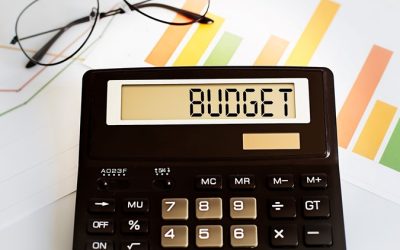
Today, Chancellor Jeremy Hunt unveiled his Spring Budget 2024. Read our summary of the key announcements and impact of the tax changes.

In the UK, VAT registration threshold is £85,000; deregistration threshold is £83,000. Compliance is essential for taxable turnover. Keep informed about these thresholds.

VAT applies to most goods and services sold in the UK, with registration mandatory once taxable turnover exceeds £90,000 and no threshold at all for overseas businesses. Download this factsheet, a companion to our Doing Business in the UK guide, to learn about VAT rates, accounting schemes, and the customs procedures needed to import and export post-Brexit.

Do you know who must register for VAT? Understanding the £90,000 threshold and HMRC’s two-part registration test is essential for every business. Learn when to register, review worked examples and discover how the rules apply to Northern Ireland, so you can avoid penalties and stay fully compliant.

The India–UK CETA is bringing more Indian businesses into HMRC’s transfer pricing net. Transfer pricing risks for Indian groups are among the most common – and least understood – areas of UK tax exposure. Here is how to get your position right from day one.

Setting up a UK subsidiary for Indian businesses is straightforward on paper – but the accountancy, tax, and compliance decisions you make in the first few weeks shape your operation for years. This checklist walks you through every step, in the order you need to tackle them.

The VAT Cash Accounting Scheme allows businesses to account for VAT when cash changes hands. This improves cash flow and reduces risk from unpaid invoices. However, eligibility criteria apply, and businesses should review suitability regularly to ensure it aligns with their financial needs.

Understanding national insurance for the self employed helps individuals manage contributions, plan finances, and maintain benefit eligibility. By reviewing obligations and considering voluntary payments, you can ensure long-term financial security.

The VAT Flat Rate Scheme simplifies VAT reporting, but limited cost trader rules can significantly reduce its financial benefit for some businesses.

Understanding VAT registration and ongoing obligations helps businesses remain compliant, manage cash flow and reduce the risk of penalties.

The VAT Annual Accounting Scheme allows eligible businesses to replace quarterly VAT returns with one annual submission and spread VAT payments through the year.

Businesses exceeding the VAT threshold may avoid registration if the increase is temporary. Learn how to apply for an exception and stay compliant.

You cannot charge VAT on exempt or out-of-scope supplies. Know the rules to avoid errors and penalties.

Considering VAT deregistration? Whether compulsory or voluntary, knowing the rules, deadlines and risks of delay can save your business from costly penalties.

With a £90,000 VAT registration threshold, many UK businesses might wonder whether to register voluntarily. Understanding how to balance output and input VAT can help optimise cash flow and avoid costly mistakes with HMRC.

A new digital VAT registration tool has been launched by HMRC that can be used to help businesses work out the effects of registering for VAT.

VAT registration applies to businesses with a taxable turnover over £85,000. Businesses collect output VAT on sales and pay input VAT on purchases. They can deduct input VAT from output VAT owed to HMRC. If input VAT exceeds output VAT, HMRC refunds the difference.

Value added tax, or VAT, is something that all businesses need to be aware of, whether they’re large or small.